Let’s Talk Books: Featuring Tainan & Taiwan 📕🍁
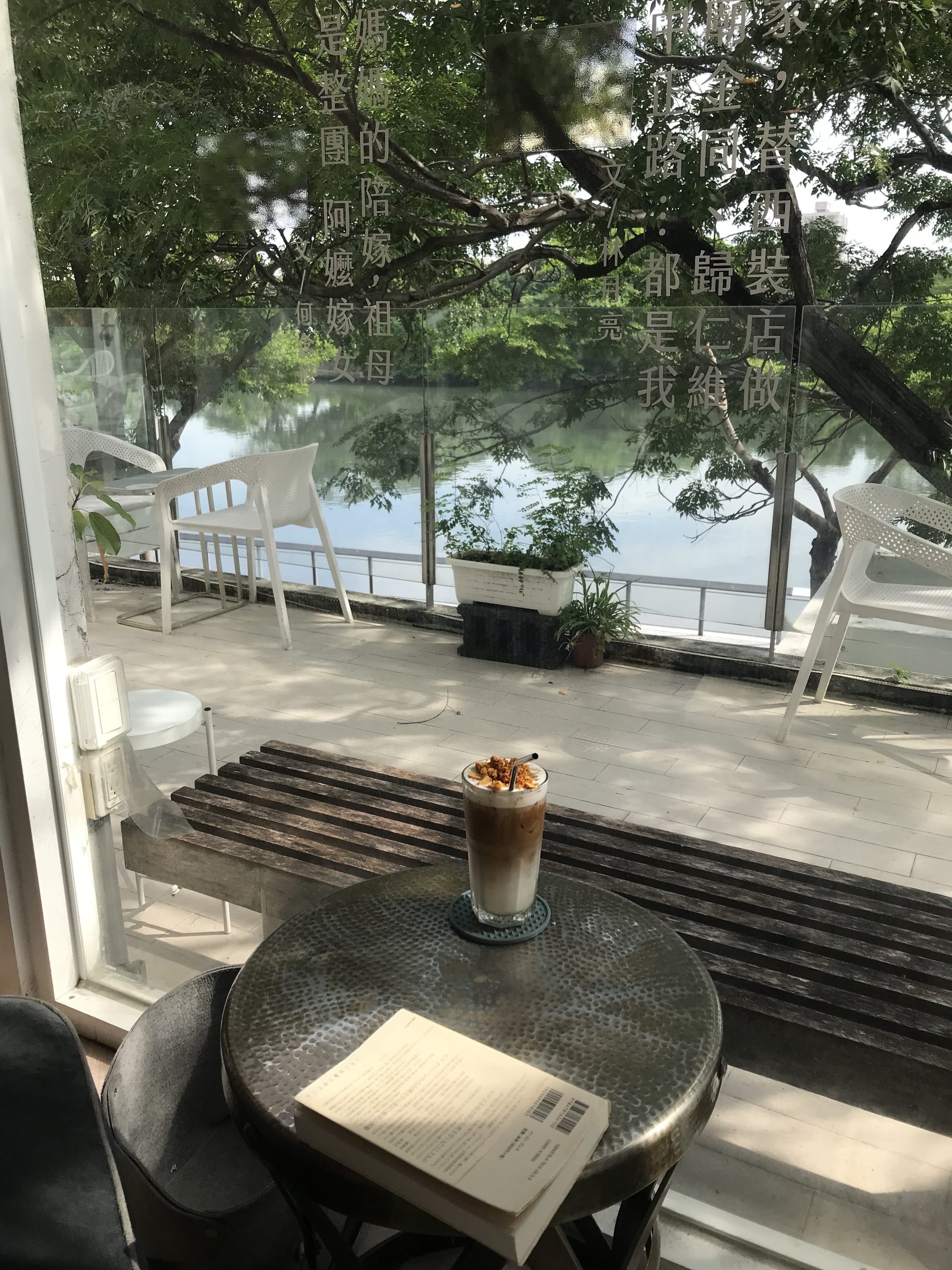
Hello, I’m Pintang. In Japan, autumn is called the best season for reading. 🍂 How is everyone doing recently?
Lately, I try to cook for myself cuz I don’t want to gain weight. However, grocery store prices in Taiwan are a bit high due to the eating-out culture. So, I always stare at price tags while walking around the whole store. ٩( ・o me˘)₊ᐟ
Anyway, today I would like to present some books about Tainan, Taiwan. On a trip, I want to take my time without my phone. Therefore, I recommend three books for your travel!
⚠ The books I’m introducing this time are only available in Japanese or Chinese. (・・;) Sorry about that.
TOC
Perfect Taiwan Travel Companions: Book Recommendations
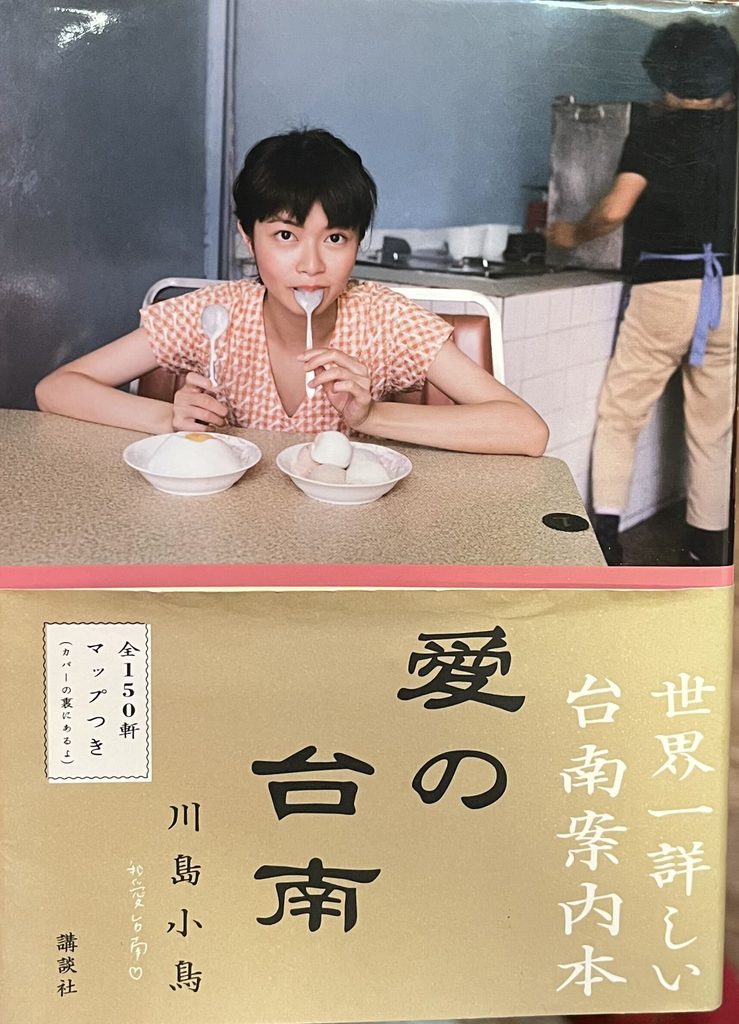
Ai no Tainan (Love Tainan) by Kotori Kawashima (Kodansha)
This is a must-have guidebook for my daily life in Tainan—I always go for walks with it in hand! The author, who is a photographer, personally rode around the area by bike to research for this book.
The photos capture the tender atmosphere of Tainan so well that I feel excited every time I open it ♡ As Kotori-san said, the people living in Tainan are the gentlest in the world.
It’s packed with everything about Tainan, from recommended food spots selected by locals to how to visit the Yue Lao (Old Man Under the Moon), a famous god of love.
It’s such a fresh and lovely book where you can truly feel the author’s love and message: “I hope this book becomes like a lucky charm for your journey.”
Taiwan Bungaku no Chushin ni Aru Mono (What Lies at the Heart of Taiwanese Literature) by Miwako Akamatsu (East Press)
— Politics, diversity, and Taiwanese literature continue to shape society to this day. —
The modern history of Taiwan is complex. I feel that every country has a different way of teaching history.
Just as I was wondering how I could understand history from the perspective of Taiwanese people, I encountered this book.
To know a country’s literature is to know its history. Taiwanese literature in particular was strongly affected by the political system, making it history itself.
As the Taiwanese novelist says in the epilogue of this book: “We write about the past to move toward the future.” — this quote really reminded me that using the past as a compass for the future is the whole point of learning history.
Each chapter focuses on a specific theme—such as how the path to the legalization of same-sex marriage began in literature (Chapter 1) and the impact of the Japanese colonial period on Taiwanese literature (Chapter 4)—and introduces related Taiwanese works that are available in Japanese.
Personally, I found the story about Taiwan’s thriving literature camps*¹ really interesting! I’d love to join one someday!
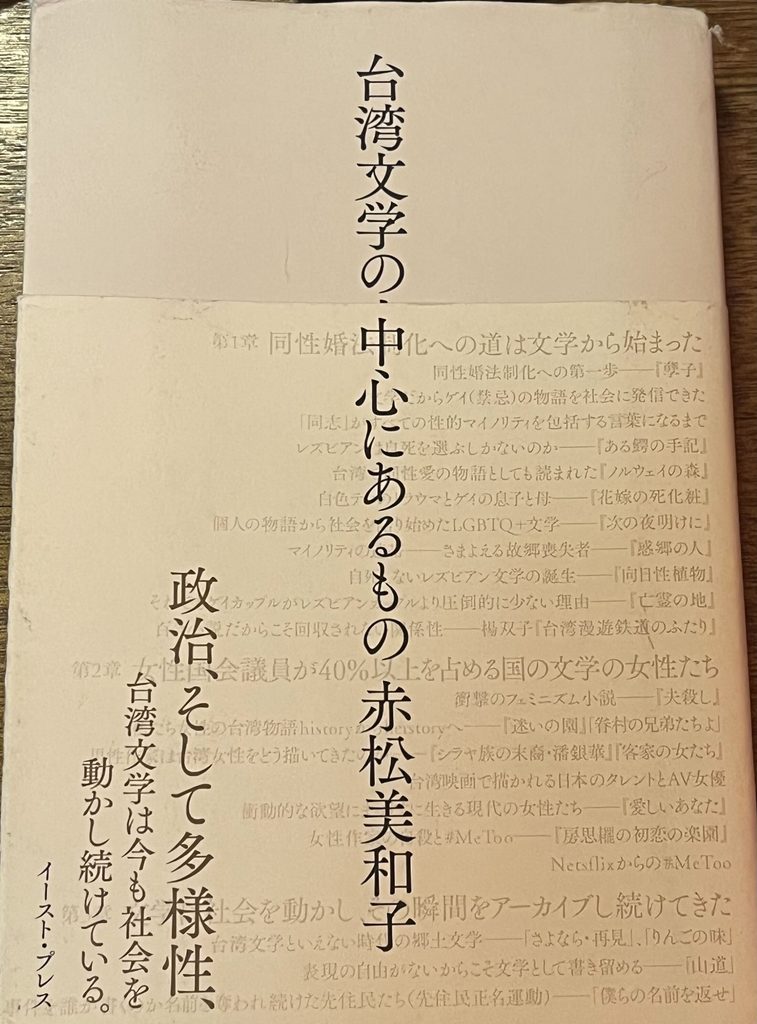
I’m ashamed the book is worn out.(・・; )
*¹What Is a Literary Camp?
“A literary training retreat where literature enthusiasts—including writers, literary editors, and readers—gather in one place to live and eat together, engage in exchanges, and receive guidance on creative writing.”
Source: From the product description page (Amazon.co.jp) for Taiwanese Literature and Literary Camps: An Interactive Creative Space for Readers and Writers (by Miwako Akamatsu, Tōhō Shoten)
Kaido wo Yuku 40: Taiwan Kiko (On the Highways, Vol. 40: Taiwan Travelogue) by Ryotaro Shiba (Asahi Shimbun Publications)
This is one of the books from the On the Highways series*². My grandfather lent it to me! ☺
As for the content, it’s a travelogue where the author visited Taiwan in January and April 1993, exploring the country while pondering “what a nation is.”
I haven’t finished reading it yet, so I asked a regular customer at Hamuya who already read it for their thoughts. By the way, that regular customer actually visited Taiwan 55 years ago!!
Since it described what Taiwan was like during the time I lived there, I found it fascinating to read and relate it to my own life. It offers insight into Taiwan’s modern history—from the Japanese colonial era to the politics shaped by immigrants from mainland China, to Lee Teng-hui’s administration… It’s a book that vividly captures Taiwan’s evolving landscape. I ended up reading it all in one sitting.
…That’s what he told me! I’m currently reading it right now 🧐
Shiba’s writing has a sense of realism, almost as if he is speaking directly to you. It vividly depicts the historic figures who strove to build a nation in Taiwan at the time, alongside the lived experiences of ordinary people who survived those turbulent years. The book concludes with a deeply engaging dialogue between Shiba-san and Lee Teng-hui, the Taiwanese president at the time—making it a truly compelling read!
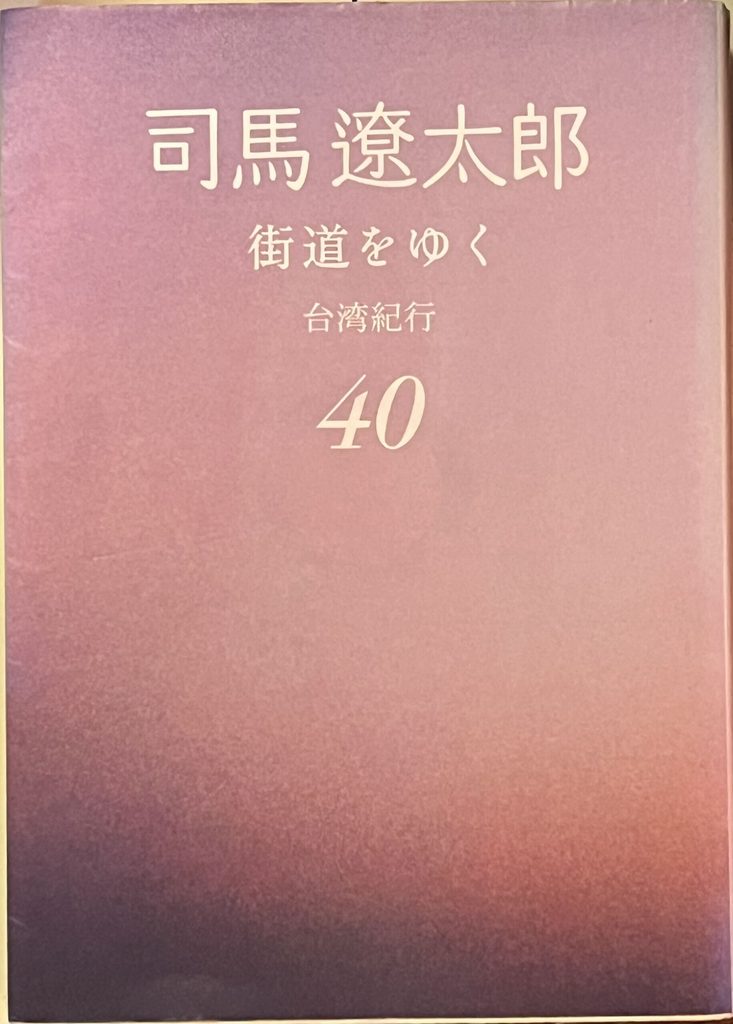
*² Kaido wo Yuku (On the Highways) series: A monumental collection of travel essays by author Ryotaro Shiba, serialized in a weekly magazine for over 25 years from 1971 to 1996, spanning 43 volumes in total. (Source: “Ryotaro Shiba: Kaido wo Yuku Official Page”, Asahi Shimbun Publications)
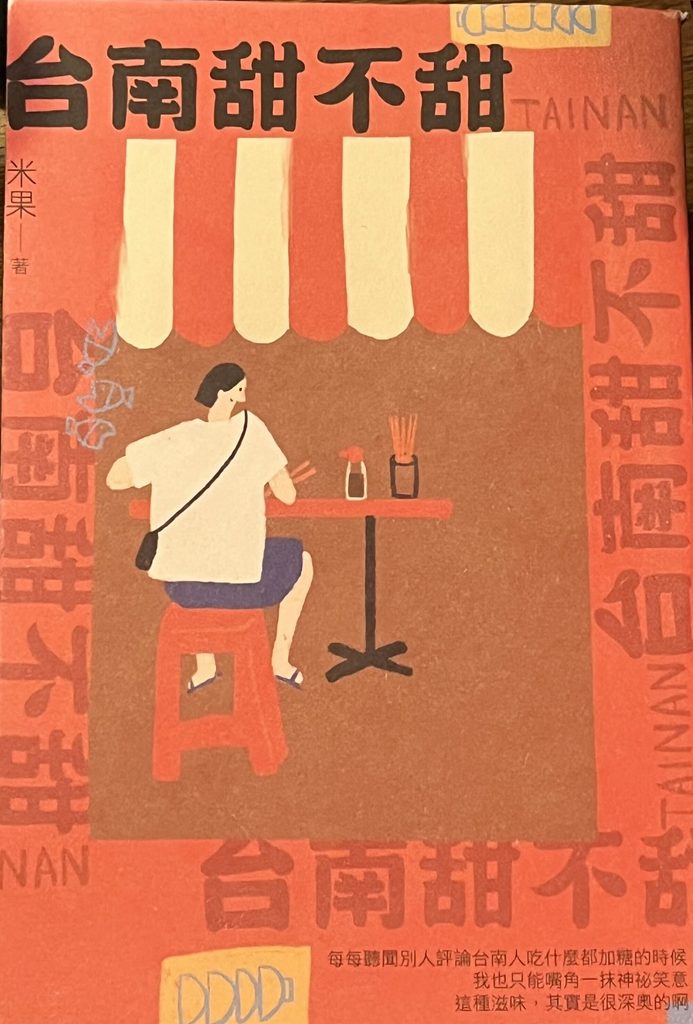
Bonus Book: Tainan Tian Bu Tian (Is Tainan Sweet or Not?) by Mi-Guo
This is a food essay by a Taiwanese author. It’s all about Tainan’s sweet cuisine and daily life… Naturally, it’s written entirely in Traditional Chinese!! I’m really struggling to read it, but I’ll do my best ☺
I’ll let you know once I finish reading it! 💪
Closing Thoughts
How was it? Because of my passion, this ended up being quite a long post! Thank you so much to everyone who read until the end m(_ _)m Sorry that I’ve only finished reading half of them (・・;)
I’d be so happy if this made you feel even a little bit like reading these books 🍃🌸
With that said, I hope everyone stays safe and has a great day today!!!
- [Tainan] Enjoying Tea in the Park!! [Wu Family Garden]
- 【Hamuya News 2026/09/22】Mid-Autumn Festival Is This Friday!! 🎑 Event Info in Tainan for Music Lovers! 🎶
関連記事
-
 In the end, Luwei is the best.
 -
[Tainan] Enjoying Tea in the Park!! [Wu Family Garden]
-
I went to a cat café in Tainan! 😸
-
Tainan night walk🌓🚶♀️
-
[Tainan] I went to the market!! [Dongcai Market]
-
[Tainan Guesthouse] Everyday Life at Hamuya: The Workout & BBQ Edition
-
Self-introduction (Pingteng)🌛📖
-
I went to a live music bar!!